
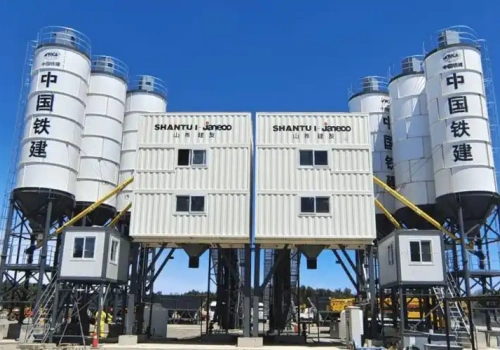
Building an efficient and profitable concrete batching plant requires careful planning and execution across multiple fronts. Here is a detailed guide covering the key steps and considerations for establishing a high-performing plant.
1. Initial Planning & Site Selection
Determine Plant Scale: Assess the required concrete volume based on your project demands or market needs. This will dictate the production capacity and the type and size of the mixer you need, ensuring it can handle peak demand periods.
Strategic Site Selection: Choose a location with excellent transportation links, proximity to raw material sources (aggregate quarries, cement plants), and relative closeness to your primary customer bases. The site must be large enough for current operations with room for future expansion. Crucially, consider environmental regulations and the plant's impact on the surrounding community.
2. Mixing & Batching System Configuration
Mixer Selection: Choose between pan mixers, twin-shaft mixers, or drum mixers based on the required production output, concrete quality (e.g., for high-spec applications), and cycle times. Prioritize reliability and consistent mixing performance.
Batching System: Invest in a precise, fully automated batching system. Computer-controlled weigh batchers for cement, water, aggregates, and admixtures are essential for producing consistent, high-quality concrete and minimizing human error.
3. Raw Material Storage & Management
Aggregate Stockpiles: Design a large, well-organized aggregate storage area. Use clearly segregated bays for different sizes of sand and gravel to prevent cross-contamination. The base of the stockpiles should be paved (hardened) to prevent soil and debris from mixing with the aggregates.
Cement & Powder Storage: Install a sufficient number of cement silos and powder storage tanks based on your production volume and material types. Ensure they are equipped with proper venting and dust collection systems to ensure safe, clean, and efficient storage.
4. Material Handling & Product Distribution
Conveying Systems: Select robust conveyor systems (radial stackers, belt conveyors) to move aggregates efficiently from the stockpiles to the batch plant. The design should minimize material drop and segregation.
Product Distribution: Plan for an efficient dispatch area with enough space for multiple concrete mixer trucks to load and maneuver safely. Consider the logistics of truck traffic to avoid bottlenecks.
5. Foundation & Equipment Installation
Solid Foundation: The plant foundation must be designed by a qualified structural engineer based on a geotechnical survey of the site. It must be robust enough to support the significant static and dynamic loads of the operating equipment.
Professional Installation & Commissioning: Strictly follow the manufacturer's guidelines for equipment installation. Proper assembly and calibration during the commissioning phase are critical for achieving design performance, safety, and longevity.
6. Environmental & Safety Measures
Environmental Protection: Implement comprehensive dust control systems (baghouse filters) on silos, mixers, and conveying points. Manage water runoff from the site and implement noise reduction measures to be a good neighbor.
Safety First: Develop and enforce strict safety protocols. This includes employee training, clear signage, machine guarding, lockout-tagout procedures, and regular safety audits to protect personnel and equipment.
7. Operations & Management
Staffing & Training: Hire and thoroughly train qualified personnel for operations, maintenance, and quality control. A skilled team is the most important factor for smooth daily operations.
Quality Management System: Implement a rigorous Quality Control (QC) lab and procedures. Test raw materials upon arrival and regularly test fresh and hardened concrete to ensure it meets all project specifications.
Cost Control & Efficiency: Utilize the plant's control system to monitor production data, material usage, and efficiency. Analyze this data to optimize mix designs, reduce waste, and control operational costs effectively.
In summary, building a successful batching plant is a complex project that integrates strategic planning, robust engineering, environmental responsibility, and sound management practices. Attention to detail at every stage is key to establishing a reliable, efficient, and profitable operation.